
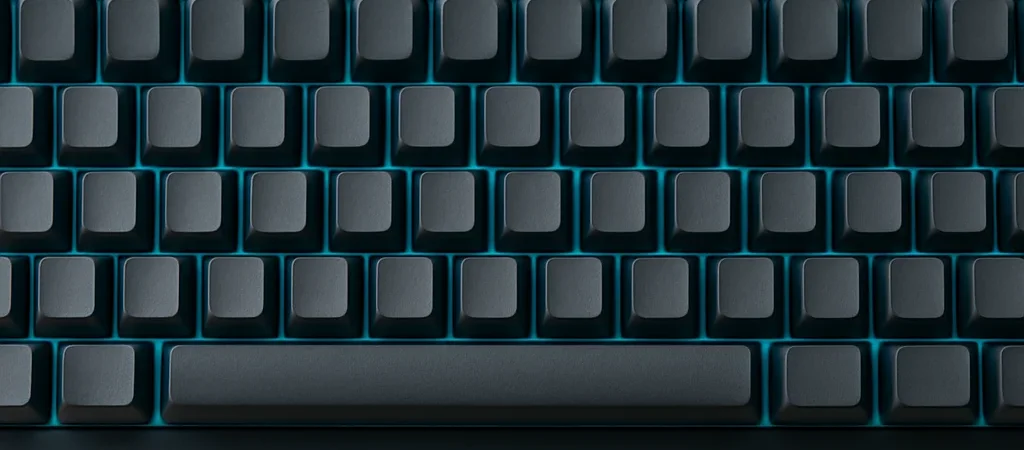
Desk comfort directly influences your creative stamina during long editing or coding sessions. Choosing the right mechanical keyboard involves balancing switch tactile feedback, chassis dampening, and keycap height. Tactile builds provide clear physical feedback with every keystroke, reducing accidental inputs while creating a satisfying typing rhythm.
Keycap Profiles and Wrist Ergonomics
Standard OEM keycaps work adequately for general tasks, but sculpted profiles like Cherry or KAT support more natural finger movement. Pairing a low-profile aluminium chassis with sound-dampening foam reduces harsh echo and minimises joint strain during extended typing periods. Pay attention to the angle of incline, as flat or slight slopes keep wrists in a healthier neutral position.
Wireless Connectivity and Battery Endurance
Multi-device Bluetooth pairing allows seamless switching between your primary desktop rig and a portable tablet. Dedicated 2.4GHz wireless dongles offer lower latency if you frequently edit video or play games on the same machine. Look for models with substantial battery capacity so backlighting does not force you back to wired operation midday.
Honest Product Reviews and Guidance
Our gear reviews highlight physical kit engineered for long-term reliability rather than fleeting design trends. When we link to external hardware retailers, those curated recommendations may generate affiliate revenue that supports our independent research. Choosing durable tools keeps your workspace clean, functional, and ready for deep work.


